Looking for a suburb that gives you more than rows of newer homes? Plainfield offers something many buyers love: a historic downtown with real character, walkable amenities, and nearby housing options that range from vintage architecture to newer construction. If you want to understand what makes this part of Plainfield stand out, this guide will help you see how downtown living, historic homes, and the surrounding residential market fit together. Let’s dive in.
Why Downtown Plainfield Stands Out
Plainfield is the oldest community in Will County, with roots going back to the 1820s. The first 13 blocks around today’s Village Green were laid out in 1834, which gives the downtown area a history that feels different from many suburban commercial districts.
Today, that historic core sits within a much larger community. The Village’s 2026 special census counted 49,962 residents and 17,329 housing units, so downtown Plainfield now serves as the center of a broad suburban market while still holding onto its earlier identity.
The Village describes Downtown Plainfield as a pedestrian-oriented destination for shopping, dining, and entertainment. A 2009 streetscape project added raised intersections, mid-block crossings, wider sidewalks, and landscaping, all of which help make the area easier to explore on foot.
What the Downtown Experience Feels Like
If walkability matters to you, downtown Plainfield offers features that support everyday browsing and casual outings. Expanded sidewalks create space for outdoor dining, and the layout encourages you to park once and spend time moving between local businesses and public gathering spaces.
The area also stays active through recurring community events. The Village highlights Plainfield Fest, classic car nights, movies, and concerts as regular parts of the downtown calendar, which adds another layer of energy beyond the storefronts themselves.
For buyers relocating from other suburbs, this can be a meaningful difference. You are not just comparing square footage or lot size. You are also looking at whether a town center feels like a place you will actually use and enjoy.
Historic Downtown Homes and Architecture
If you are drawn to older homes, Plainfield gives you more variety than you might expect. The local Downtown Historic District was approved in 2011 and includes 65 properties along Lockport Street from Route 59 to James Street.
The National Register district follows the same corridor and includes 53 properties. Notable landmarks identified by the Village include Plymouth Congregational Church, the Clock Tower Building, also known as the Opera House, and the Masonic Lodge.
Just as important, the historic character is not limited to a few commercial buildings. The Village’s 2006 urban-core survey covered about 700 properties, which shows how much documented historic fabric exists in and around the core.
Expect an Architecturally Mixed Area
One of the biggest misconceptions about historic districts is that every home looks the same. In Plainfield, that is not the case.
The East Side Historic District includes nearby residential streets such as Amboy Street, Bartlett Avenue, Center Street, IL Route 59, and Evans Street. Homes there were built across roughly a century, from about 1850 to 1950, and include Queen Anne, Italianate, and Colonial Revival styles.
The Village’s National Register information also points to Greek Revival, Richardsonian Romanesque, International, upright-and-wing, bungalow, and American Foursquare examples. In practical terms, that means you can expect an area with architectural range rather than one single historic-home look.
What to Know About Living Near Historic Homes
Buying near a historic downtown can come with benefits, but it also helps to know how local rules work. In Plainfield’s local historic districts, major exterior changes may require a Certificate of Appropriateness.
That said, ordinary maintenance and repairs do not require that approval. The Village also notes that historic status functions as an overlay on zoning, which means it does not change the permitted uses of the property.
For some owners, there may also be financial support available. The Village offers a Rehabilitation Grant Program of up to $10,000 for qualifying historic properties, while downtown commercial facades may qualify for a separate matching grant program of up to $150,000.
Nearby Homes Beyond the Historic Core
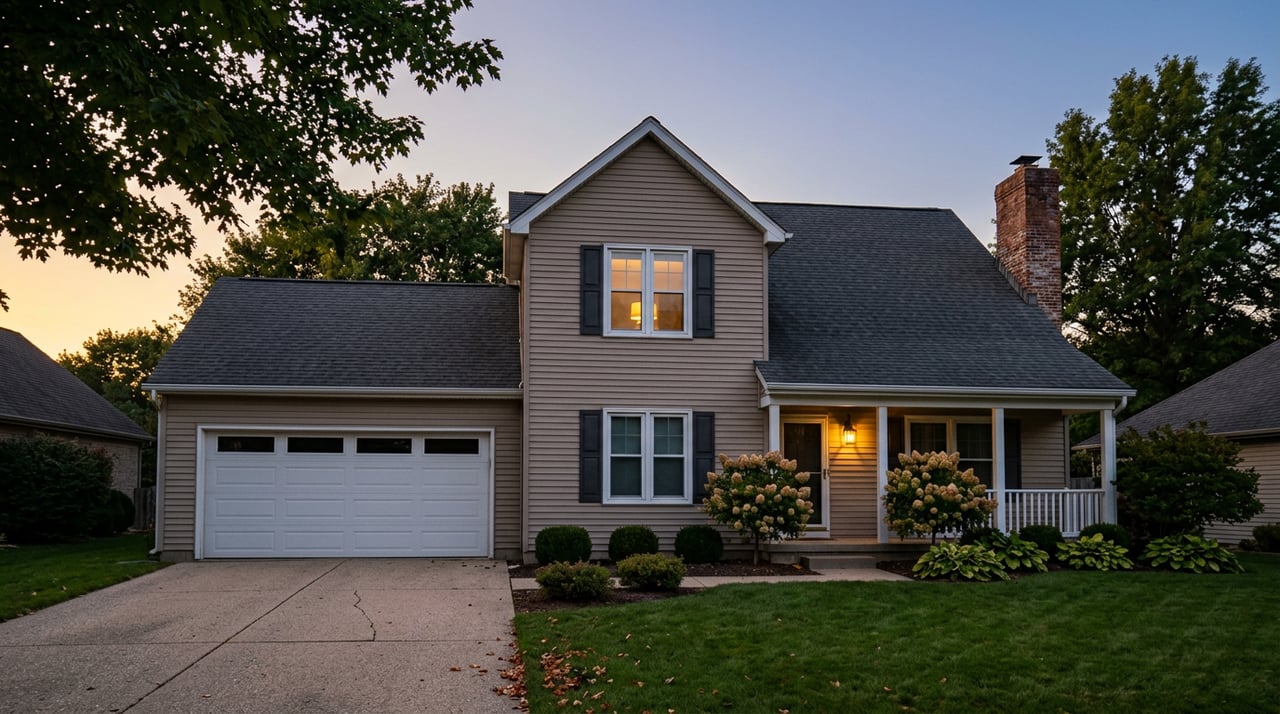
You do not have to buy a century-old home to enjoy downtown Plainfield. One of the advantages of this area is the mix between the older core and the broader residential market surrounding it.
Plainfield has continued to add housing outside the historic blocks, with the Village reporting that more than 500 new homes have been built since the 2020 Census. That gives buyers options if they want proximity to downtown without taking on the features or upkeep often associated with older housing.
The Village also uses planning tools such as subdivision standards, Planned Development review, and residential design guidelines for planned unit developments and annexations. For buyers, that is useful context because it shows the community is still shaping growth while maintaining standards for new residential areas.
Parks and Outdoor Spaces Near Downtown
Downtown appeal is not just about restaurants and events. Plainfield also offers outdoor amenities close to the historic core, which can make day-to-day life feel more balanced.
Settlers’ Park is a 20-plus-acre park just south of Village Hall in Historic Downtown Plainfield. It includes an amphitheater, History Walk, restored War Monument, lake, picnic shelter, playground and tot lot, StoryWalk, and walking trails.
The park also hosts summer concerts and movies, which ties into the same community-focused atmosphere that defines downtown. If you like having open space within reach of shops and local events, this is one of the area’s strongest lifestyle advantages.
Riverfront Plans Add Long-Term Interest
Plainfield’s outdoor identity also includes the DuPage River, a broader park-and-trail system, and the Lake Renwick Heron Rookery. For buyers thinking long term, the Village’s riverfront planning is worth watching.
The 2021 Riverfront Master Plan envisions trails, passive and active recreation space, scenic overlooks, parking, and a paddlecraft launch. The plan also states that future trail work is intended to connect Downtown Plainfield to the Plainfield Small Business Park and the Pace Park-n-Ride.
That kind of planning matters because it suggests continued investment in how residents move through and enjoy the area. Even if these features are part of a longer timeline, they help paint a picture of the Village’s direction.
Commuting and Getting Around
For many buyers, charm only works if the logistics also make sense. Plainfield is about 35 miles southwest of Chicago, and the Village notes its location at the crossroads of Lincoln Highway and Route 66.
If you use public transit options for regional travel, Pace routes 755 and 855 connect Plainfield’s Park-n-Ride to Chicago-area destinations. The Village says both routes can operate on the shoulders of I-55 and offer free parking at the Park-n-Ride.
Downtown parking works differently than it does in newer commercial corridors. The Village says the downtown parking zone is designed to preserve older buildings and support a pedestrian-friendly environment, and it reports about 500 public parking spaces in the downtown area.
Who Might Love This Part of Plainfield
Plainfield’s historic downtown and surrounding homes can appeal to several types of buyers. If you value character, walkability, and a town center with established identity, this area may feel more compelling than a purely newer suburban setting.
It can also work well if you want choices. You may be able to explore historic homes close to the core, established neighborhoods with a wide range of architecture, or newer housing elsewhere in Plainfield while still enjoying downtown amenities.
For sellers, the area’s appeal is also easy to understand. A home near an active downtown, established parks, and a recognizable historic district often benefits from a location story that resonates with buyers.
How to Approach Your Home Search Here
If you are considering homes near downtown Plainfield, start by narrowing what matters most to you. Think about whether you want historic character, lower-maintenance newer construction, walkable access to downtown, or a balance of all three.
Next, pay close attention to the block-by-block feel. In an area with a long development timeline, housing style, lot configuration, and proximity to downtown can shift quickly from one street to the next.
Finally, make sure you understand the difference between a home that is simply older and one that falls within a local historic district. That distinction can affect what to expect if you plan future exterior projects.
Plainfield gives you a rare suburban combination: a true historic downtown, established residential streets, outdoor amenities, and continued housing growth around it. If you want help comparing homes near the historic core or finding the right fit elsewhere in Plainfield, Stephanie Staneart can guide you with a local, thoughtful approach.
FAQs
What makes Downtown Plainfield different from newer suburban areas?
- Downtown Plainfield is a pedestrian-oriented historic core with wider sidewalks, crossings, outdoor dining space, events, and a documented historic district, which creates a different feel from newer commercial developments.
What types of homes are near Historic Downtown Plainfield?
- Homes near the downtown area range from historic properties built between about 1850 and 1950 to newer housing elsewhere in Plainfield, with styles including Queen Anne, Italianate, Colonial Revival, bungalow, and American Foursquare.
What is the Plainfield Downtown Historic District?
- The local Downtown Historic District, approved in 2011, includes 65 properties along Lockport Street from Route 59 to James Street and reflects the historic commercial heart of the community.
What should buyers know about Plainfield historic district rules?
- In local historic districts, major exterior changes may require a Certificate of Appropriateness, while ordinary maintenance and repairs do not.
Are there parks near Downtown Plainfield homes?
- Yes, Settlers’ Park is just south of Village Hall in Historic Downtown Plainfield and includes trails, a lake, playground areas, an amphitheater, and community event space.
Is Downtown Plainfield convenient for commuters?
- Plainfield offers Pace routes 755 and 855 from the Park-n-Ride to Chicago-area destinations, and the Village reports free parking at the Park-n-Ride plus about 500 public parking spaces in the downtown area.