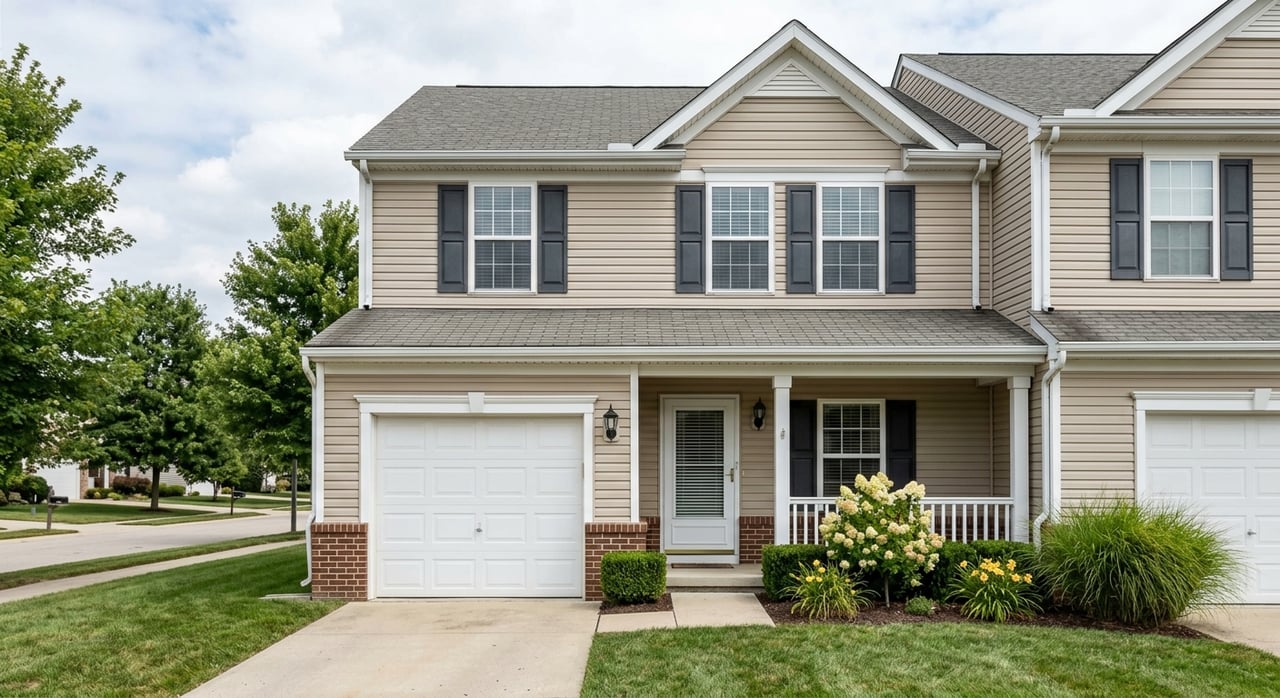
Looking for a lower-maintenance home in Naperville without giving up convenience? A condo or townhome can be a smart fit if you want easier upkeep, access to shopping and transit, and a lifestyle that lets you spend more time enjoying the area instead of maintaining a yard. This guide will help you understand where attached-home living tends to cluster in Naperville, how condos and townhomes can differ in Illinois, and what to review before you buy. Let’s dive in.
Why Naperville Works for Attached-Home Living
Naperville offers a mix of suburban convenience and everyday amenities that make condo and townhome living appealing. The city has more than 153,000 residents, a median household income of $150,360, and is located about 30 miles west of Chicago. The city also highlights access to public transportation, parks, shopping, housing options, and employment.
That combination matters if you want a home that supports a simpler routine. Instead of focusing on yard work and exterior upkeep, you may be able to prioritize commuting, recreation, and walkability. For many buyers, that is the real value of attached-home living in Naperville.
Naperville’s Riverwalk and trail system add to that appeal. The Riverwalk is one of the city’s best-known public amenities, and the Naperville Park District says there are more than 70 miles of trails. If you want low-maintenance living with easy access to outdoor space, this can be a strong lifestyle match.
Where Condos and Townhomes Cluster
Naperville planning documents show that older apartment and townhome complexes are more common in the northern two-thirds of the city. These areas often sit near downtown, the BNSF rail line, the I-88 and Route 59 interchanges, and major retail centers. That pattern can be helpful if your priority is convenience.
For many buyers, the biggest draw is access. Communities near downtown or near key transportation routes can make it easier to reach shopping, dining, the train, and major roads. That can be especially useful if you want to cut down on driving for daily errands or commuting.
The city has two Metra stations: the downtown Naperville station and the Route 59 station. According to the city, BNSF service runs east to Chicago and west to Aurora, with regular daytime service and express trains during peak commute times. Pace also connects the train stations to other parts of Naperville, and on-demand service covers a broad Naperville-Aurora area that includes Fox Valley Mall.
Downtown attached-home living can be especially practical if you want to walk or bike more often. The city notes downtown parking options along with a core area that includes shopping, dining, and cultural activity. If your ideal setup includes being near the Riverwalk, Metra, and daily conveniences, this part of Naperville may deserve a closer look.
Older vs. Newer Communities
Not all Naperville condos and townhomes offer the same layout or monthly ownership experience. City planning documents note that older attached-home stock may include smaller units and fewer amenities than some newer communities. That can affect both your monthly dues and the property’s resale appeal.
A lower purchase price does not always mean a lower total cost of ownership. An older building may come with different maintenance needs, reserve levels, or amenity tradeoffs than a newer one. That is why it helps to compare communities based on the full picture, not just the list price.
Condo vs. Townhome in Illinois
In Illinois, the words condo and townhome do not always describe the same legal structure. The Illinois Department of Financial and Professional Regulation explains that condo owners typically own their unit and share ownership of the common elements. In a non-condo common-interest community, owners usually own the home and land while paying assessments for shared facilities and rules governed by the community declaration.
This distinction matters because some Naperville townhomes are legally structured like condominiums, while others are not. Two homes may look similar from the outside but come with different ownership rights, maintenance responsibilities, and governing documents. That is why the declaration, bylaws, and rules deserve as much attention as the floor plan.
In practical terms, you want to know exactly what you own and what the association maintains. You also want to understand how rules are enforced and which Illinois law applies to the community. Those details can shape your day-to-day experience as much as the location does.
What HOA Dues May Cover
Association dues help fund shared expenses, but coverage can vary a lot from one community to another. Depending on the project, dues may go toward common-area maintenance, exterior upkeep, landscaping, insurance for shared elements, and recreational facilities. The amount can also vary widely based on location, age, condition, and amenities.
Consumer guidance cited in the research report notes that HOA or condo dues are usually paid directly to the association, not folded into your mortgage payment. It also notes that fees can range from a few hundred dollars per month to more than $1,000. That means dues should always be evaluated in context.
A higher monthly fee is not automatically a bad sign, and a lower one is not automatically a good sign. The key question is what the fee covers and whether the association appears prepared for future repairs. Strong reserves and clear maintenance coverage can matter just as much as the dollar amount.
What Costs May Be Separate
Even in a well-run community, not every cost is included in your dues. Some owners may still be responsible for interior maintenance, certain utilities, garage or parking arrangements, and repairs that fall within the unit boundaries. Special assessments may also be charged for major projects or to supplement reserves.
That is why your monthly budget should go beyond principal, interest, taxes, and dues. You will want to compare the full monthly cost with your lifestyle priorities, including commute time, parking convenience, and how much maintenance you still handle yourself. In Naperville, that comparison can be especially important when you are weighing a home near downtown, transit, or shopping.
What to Review Before You Make an Offer
Illinois condo resale law gives buyers access to a detailed disclosure package. According to the Illinois Condominium Property Act materials in the research report, that package includes the declaration, bylaws, rules, liens, anticipated capital expenditures, reserve status, financial statements, pending lawsuits or judgments, insurance coverage, and a compliance statement for prior alterations. These records can tell you a great deal about the health of the association.
Timing matters here. Condo document review periods can be limited after an offer is accepted, so it helps to move quickly and review the package with care. This is one of the biggest reasons buyers benefit from local guidance early in the process.
Fannie Mae’s buyer guidance in the research report highlights several smart questions to ask:
- Are there any current or planned special assessments?
- How much does the association have in reserves?
- What do the bylaws say about owner rights and obligations?
- Are modifications to the unit restricted?
- What does the master insurance policy cover?
- What is the remaining useful life of major building components?
These questions are not just about risk. They also help you understand whether a community matches your expectations for ownership, flexibility, and long-term value.
Check Rules Before You Fall in Love
Every association has its own rules, and those rules can shape whether a property truly fits your needs. The research report identifies several common buyer questions, including whether parking is included or assigned, whether pets or rentals are restricted, and whether short-term stays or exterior changes are allowed.
These details may sound small at first, but they can affect your daily life and your future plans. If you expect a second car, need predictable parking, want flexibility to rent later, or hope to make certain updates, the community rules need to work for you. It is much easier to sort that out before you commit.
Financing Can Depend on the Community
When you buy a condo, your financing options may depend on more than your own qualifications. The research report notes that lenders may evaluate the project’s physical condition, financial stability, structural debt, lawsuits, and inspection status. In other words, the health of the association can affect loan availability as well as resale value.
That is one more reason document review matters. A community that looks great on the surface may still raise financing questions if the reserves are weak or major issues are unresolved. If you are comparing several Naperville communities, this is an important part of the side-by-side analysis.
How to Compare Naperville Options
The best condo or townhome in Naperville is not always the one with the lowest dues or the newest finishes. It is the one that fits how you actually live. For some buyers, that means being near Metra for an easier commute. For others, it means being close to parks, trails, downtown amenities, or major shopping areas.
As you compare properties, focus on the full ownership picture:
- Monthly dues and what they include
- Interior and exterior maintenance responsibilities
- Reserve strength and any planned assessments
- Parking setup and convenience
- Pet, rental, and modification rules
- Access to Metra, highways, and daily errands
- Age, layout, and amenity package
In Naperville, attached-home living often makes the most sense when convenience is a top priority. Downtown and Metra-adjacent areas are especially worth considering if you want lower-maintenance living with strong access to transit, shopping, and recreation.
If you want help sorting through condo documents, comparing communities, or narrowing down the right fit in Naperville, Stephanie Staneart offers warm, local guidance to help you move forward with confidence.
FAQs
What is attached-home living in Naperville?
- Attached-home living in Naperville usually means owning a condo or townhome, often with shared amenities, shared maintenance responsibilities, and association dues.
What is the difference between a Naperville condo and a Naperville townhome?
- In Illinois, a condo usually means you own your unit and share ownership of common elements, while some townhomes are part of non-condo common-interest communities where you may own the home and land with shared assessments and rules.
What do HOA dues usually cover in a Naperville condo or townhome community?
- HOA dues often help pay for common-area maintenance, exterior upkeep, landscaping, insurance for shared elements, and sometimes recreational facilities, but coverage varies by community.
What should you review before buying a condo in Naperville?
- You should review the declaration, bylaws, rules, financial statements, reserve status, planned capital expenses, insurance coverage, liens, and any pending lawsuits or judgments.
Why does association health matter when buying a Naperville condo?
- Association health can affect your monthly costs, the chance of special assessments, financing eligibility, and future resale appeal.
Where are condos and townhomes commonly located in Naperville?
- City planning documents indicate many older attached-home communities are concentrated in the northern two-thirds of Naperville, especially near downtown, the BNSF rail line, I-88, Route 59, and major retail areas.
Is Naperville a good place for commuters who want condo or townhome living?
- Naperville can be a practical choice for commuters because it has two Metra stations, BNSF service to Chicago and Aurora, and Pace connections to other parts of the city.