Thinking about a move to Naperville but not sure what day-to-day life actually feels like? You want great amenities, reliable schools, and an easy-to-manage commute without giving up that small-town vibe. In this guide, you will see how Naperville’s neighborhoods, parks, schools, and transit fit different lifestyles and budgets. By the end, you will have a clear picture of whether this suburb aligns with your priorities. Let’s dive in.
Where Naperville fits in Chicagoland
Naperville sits about 25 to 35 miles west of downtown Chicago within the Chicago–Naperville–Arlington Heights metro area. Most of the city is in DuPage County, with portions in Will County. It serves as a regional hub for retail, healthcare, and education, and it also functions as a commuter base for jobs in the city and nearby suburbs.
You get four true seasons here. Summers are warm and humid, winters are cold with snow, and spring and fall are the sweet spots for outdoor events and recreation. If you like seasonal rhythms and community activities, you will find a lot to do from spring through fall.
Neighborhoods and housing types
Naperville’s housing is diverse in age, style, and price. Options range from historic homes near the Riverwalk to newer construction in planned subdivisions. Prices tend to be higher than Illinois averages, reflecting local amenities and strong public services.
Downtown and the Riverwalk
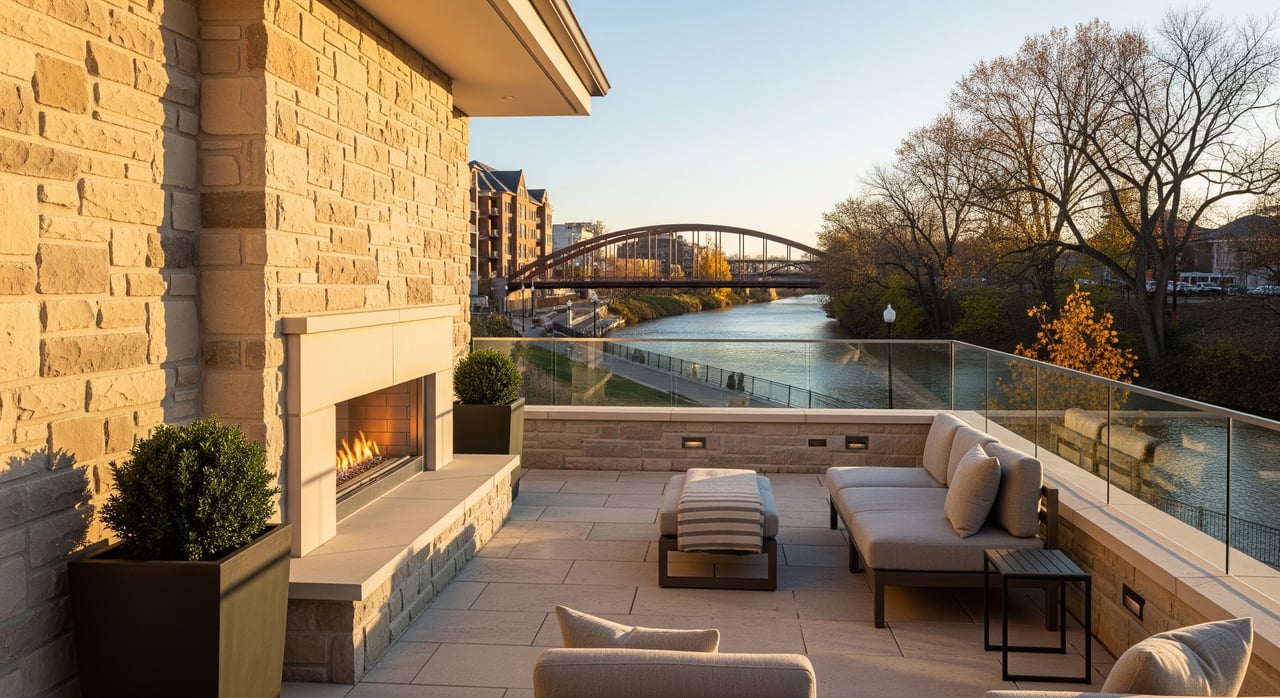
If you want walkability, downtown is the heart of Naperville. You can stroll to coffee shops, restaurants, boutiques, and the scenic Riverwalk that lines the DuPage River. Housing here includes restored older homes, townhomes, and mid- to high-rise condos.
The day-to-day experience is lively and social. You can run errands on foot, catch seasonal events, and enjoy outdoor dining in warmer months. For many, the Riverwalk is the daily reset — a quick walk, a scenic jog, or a quiet bench near the water.
Established family neighborhoods
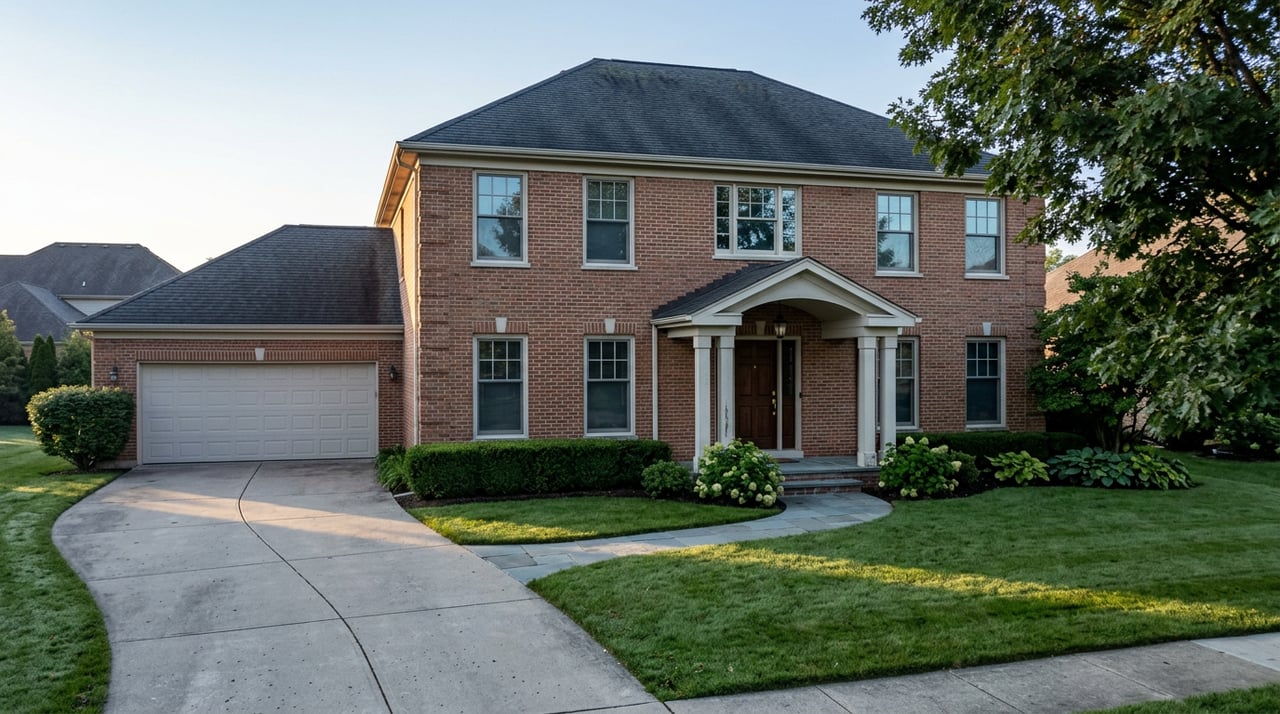
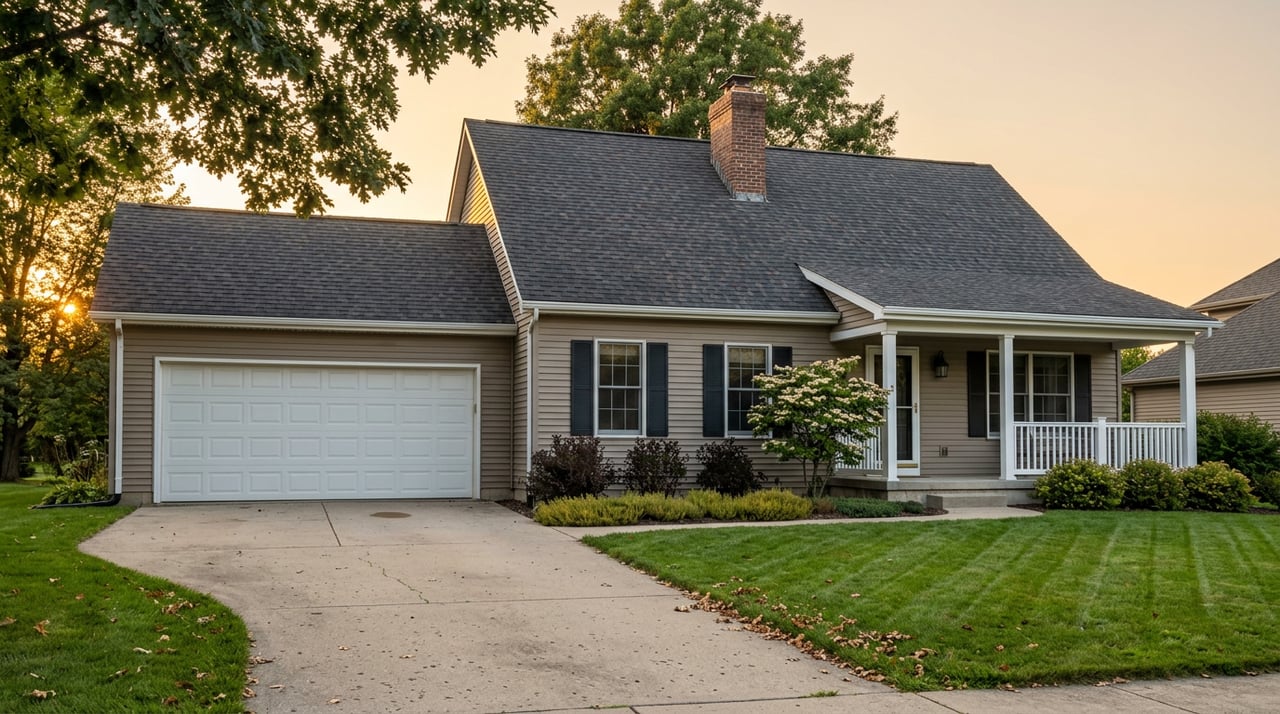
Move a bit out from downtown and you find tree-lined streets, parks, and neighborhood schools. These areas offer single-family homes on mid-sized lots, with housing built across several eras. You will see ranches, bungalows, and larger two-story homes.
These neighborhoods suit buyers who want yard space and a strong sense of community. The routine often includes school drop-offs, sports practices, and evenings at local playgrounds. Much of your day-to-day will be by car for errands, but parks and fields are close by.
Newer subdivisions west and south
If you prefer modern floorplans and larger square footage, look to the west and south growth areas. These planned communities often feature newer builds with attached garages and larger lots. Some subdivisions have HOA-managed amenities.
Life here is convenient for families that value space and newer finishes. You will likely drive for most errands and commuting. In exchange, you get contemporary layouts, flexible rooms for work or play, and a neighborhood feel centered on home life.
Townhomes, condos, and low-maintenance options
Naperville offers a range of condos and townhomes near downtown, transit corridors, and shopping areas. You also find active-adult and downsizing choices in and around the city. These homes appeal to first-time buyers, young professionals, and empty nesters.
Daily life is centered on convenience. You will spend less time on yard work and more time enjoying nearby restaurants, fitness studios, and community events. If you want to walk to dining or hop easily on Metra, focus your search close to downtown and station areas.
River, trails, and quieter pockets
Along the river and near forest preserves, you can find homes that offer more nature and privacy. Housing ranges from older properties on larger lots to newer builds near open space. These pockets suit buyers who value trail access and a calmer setting.
Your routine will skew toward outdoor time. Think weekend hikes, birding, and bike rides on local paths. You will still drive for errands, but the tradeoff is a scenic, slower pace.
Daily life by lifestyle
Different buyers look for different rhythms. Here is how life often looks in Naperville across a few common priorities.
For families
Schools are a major driver of location choice, so many family-friendly areas cluster near elementary and middle schools. Parks, playgrounds, and sports fields are woven throughout the city. You will also find public pools and seasonal programming.
The weekday routine often includes school commutes, after-school activities, and errands by car. Weekends are for practice, games, the Riverwalk, and nearby nature centers. It is a lifestyle built around community and convenience.
For young professionals
If you want walkability and nightlife, downtown condos and townhomes are your best bet. You can commute to Chicago on Metra, then meet friends for dinner by the river or at local bars and cafés. Fitness studios, farmer’s markets, and seasonal events fill weekend calendars.
If you work in the suburbs, major highways connect you to job centers. The tradeoff is less yard space, but more time enjoying restaurants and community life.
For downsizers and empty nesters
Many downsizers choose downtown or low-maintenance townhomes. You get easy access to healthcare, including Edward Hospital and local clinics, plus cultural programming at North Central College and the library. The Riverwalk makes daily walks both scenic and convenient.
Your home life becomes simpler with HOA-managed exteriors and smaller footprints. You can focus on events, local dining, and staying active through park district programs.
Commute and getting around
Naperville supports both city and suburban commuters. Your best option depends on where you work and your tolerance for driving during peak hours.
Metra to Chicago
Naperville is served by the Metra BNSF Railway Line, which runs to Chicago’s Union Station. Typical express trains are often in the 30 to 45 minute range, while all-stop trains take longer. Check current schedules to compare express and local options.
Driving and airports
Major highways connect Naperville to Chicago and the western suburbs. Drive times vary widely based on traffic and time of day. Plan for longer windows during peak periods, and test your route at the hours you would normally commute.
If you fly often, O’Hare International Airport is reachable by car, with travel times that swing with traffic conditions. Consider proximity to highways when choosing a neighborhood.
Local transit and parking
Pace suburban buses run routes in and around Naperville, and rideshare fills first and last mile gaps. Downtown Naperville offers metered street parking plus public garages and lots. Commuter parking is managed by the city and Metra with permit and fee programs.
Schools and education
Most of Naperville falls within two public districts: Naperville Community Unit School District 203 and Indian Prairie School District 204. Both are generally described as well-resourced and relatively high-performing compared with regional averages. Programs and performance indicators vary by school, so it is smart to verify attendance boundaries and any special programs that matter to you.
The area also includes private and parochial school options. For higher education and community events, North Central College brings concerts, lectures, and continuing education opportunities to the city. If schools are central to your move, review district maps and state report cards and ask about current enrollment and programs.
Parks, Riverwalk, and recreation
Naperville’s Riverwalk is a signature feature. It offers landscaped paths, bridges, benches, and fountains along the DuPage River. On any given day, you will see joggers, families, and friends meeting for a stroll. Events and festivals add to the energy during warmer months.
Beyond the Riverwalk, the park district maintains a broad network of parks, trails, athletic fields, and community pools. Nearby forest preserves and nature centers provide hiking, birding, and river access. Family-friendly attractions, including children’s museum programming and seasonal community events, keep weekends busy.
Cost of living and taxes
Home prices in Naperville are typically higher than Illinois averages. The range is wide, based on age of home, size, and proximity to downtown or transit. Inventory and pricing shift with the market, so ask your agent for current MLS data and trends.
Property taxes in Illinois can be relatively high. Your tax bill depends on the property’s location within DuPage or Will County and the relevant taxing districts. When you budget, factor in taxes, utilities, insurance, and any HOA fees.
Safety, services, and community
Naperville is generally considered a safe suburb compared with regional averages. The city provides police, fire, and emergency services, and many neighborhoods have active homeowner associations and volunteer groups. For the most current crime data, review local police reports and city resources.
Healthcare is close at hand, with major medical facilities, urgent care, and specialty clinics in and around the city. Shopping includes national retailers in shopping centers plus independent boutiques and restaurants downtown.
Is Naperville a fit? Quick checklist
Use this list to decide which parts of Naperville to explore first.
- You want walkability and dining close by. Focus on downtown and Riverwalk-adjacent areas.
- You value yard space and parks. Explore established single-family neighborhoods near school clusters.
- You prefer new construction and larger square footage. Look at west and south subdivisions with planned amenities.
- You are downsizing and want low maintenance. Target condos, townhomes, or active-adult options near shopping and healthcare.
- You need nature access and quiet streets. Search near forest preserves and river trails.
- Your commute matters. Compare Metra access vs. highway routes during peak times.
How a local guide helps
Choosing between downtown buzz, family neighborhoods, and newer subdivisions can feel overwhelming. A local advisor can help you weigh tradeoffs like walkability versus lot size, HOA amenities versus independence, and school boundary considerations. With current data on inventory, pricing, and commute patterns, you can make a confident choice.
If you are planning to buy or sell, you also want strong presentation and targeted exposure. Premium listing strategy, professional media, and curated distribution help your home stand out. For buyers, hands-on guidance and quick responses make each step smoother, especially if you are relocating.
Ready to explore Naperville with a trusted local? Connect with Stephanie Staneart to map your neighborhood options, review current market data, and tour homes that match your lifestyle. Schedule Your Free Consultation.
FAQs
How long is the commute from Naperville to downtown Chicago?
- On the Metra BNSF Line, typical express trains are often 30 to 45 minutes to Union Station, while local trains take longer; driving times vary with traffic.
Which Naperville school district serves my address?
- Most homes fall in District 203 or District 204, but boundaries vary by property, so verify with district maps and confirm enrollment details directly with the district.
What types of homes are common in Naperville?
- You will find historic homes and condos downtown, single-family homes in established neighborhoods, newer construction in planned subdivisions, and low-maintenance townhomes and condos.
What is the Riverwalk like throughout the year?
- It is a landscaped path along the DuPage River used for daily walks, runs, and community events, with the busiest season typically from spring through fall.
How do property taxes work in Naperville?
- Tax bills reflect DuPage or Will County assessments and local taxing districts; factor taxes, utilities, insurance, and possible HOA fees into your budget.
Is downtown Naperville walkable and easy to park in?
- Downtown is highly walkable for dining and errands, with a mix of metered street parking and public garages and lots managed by the city.