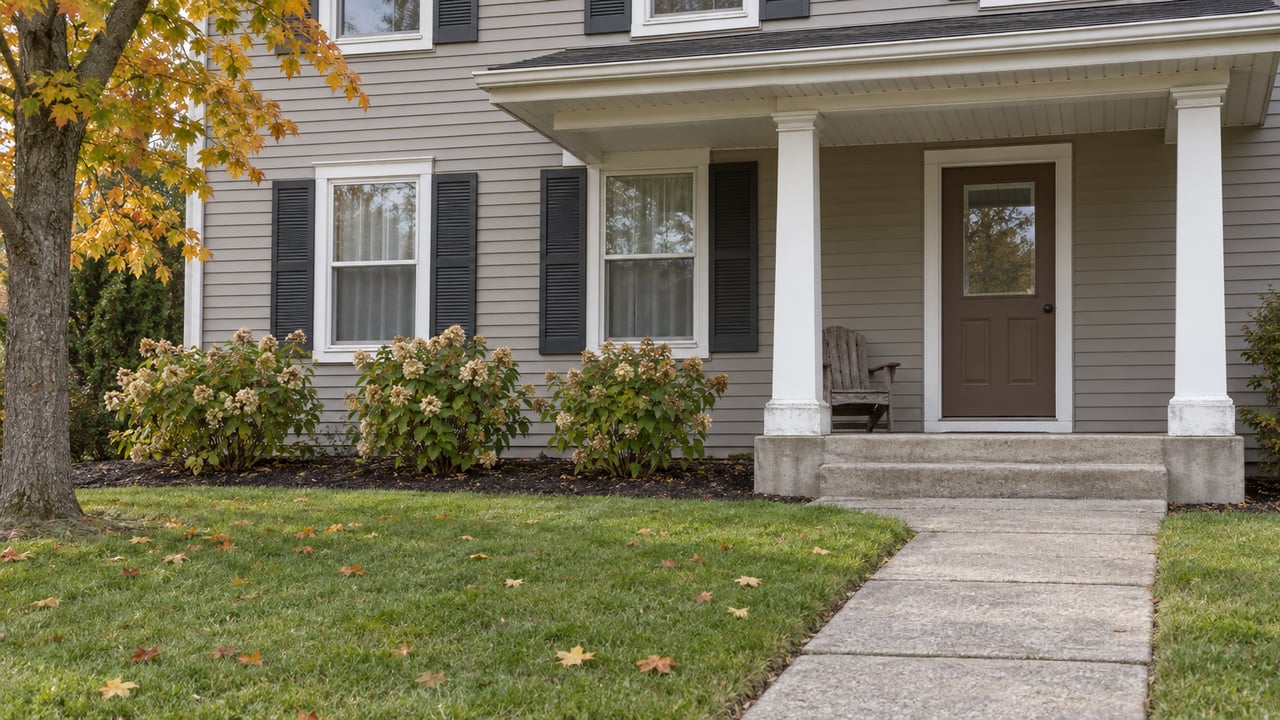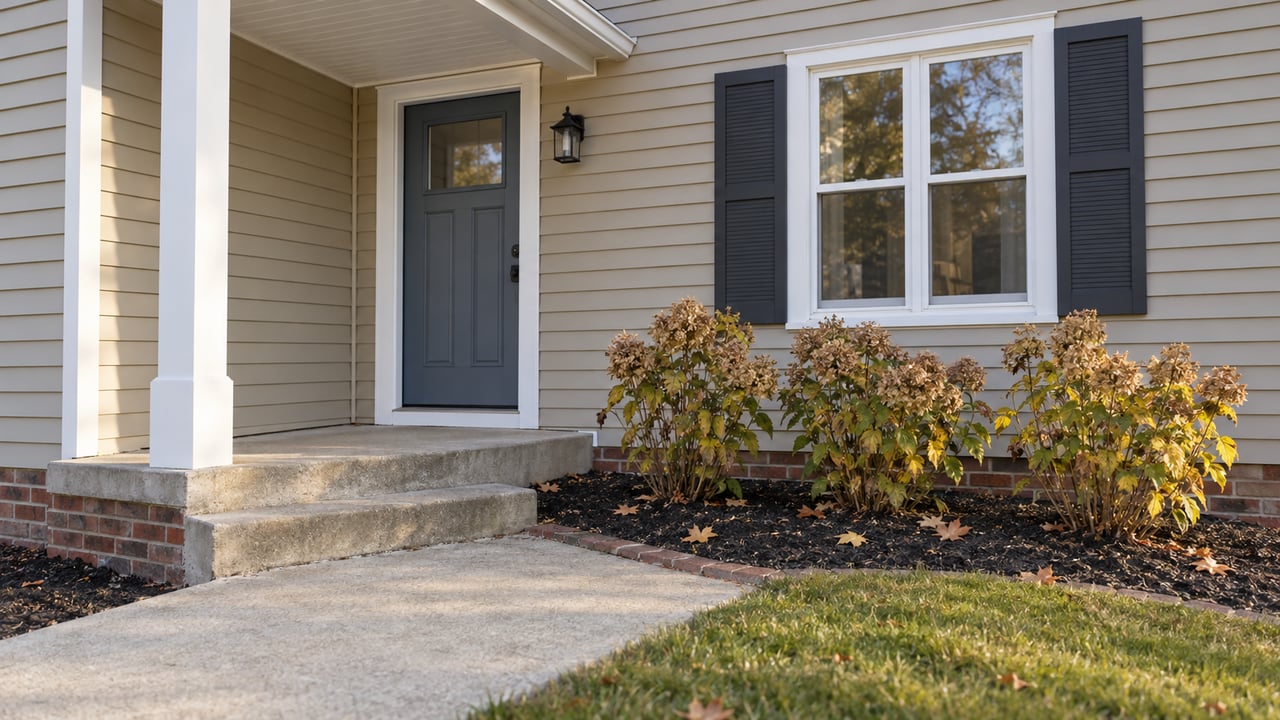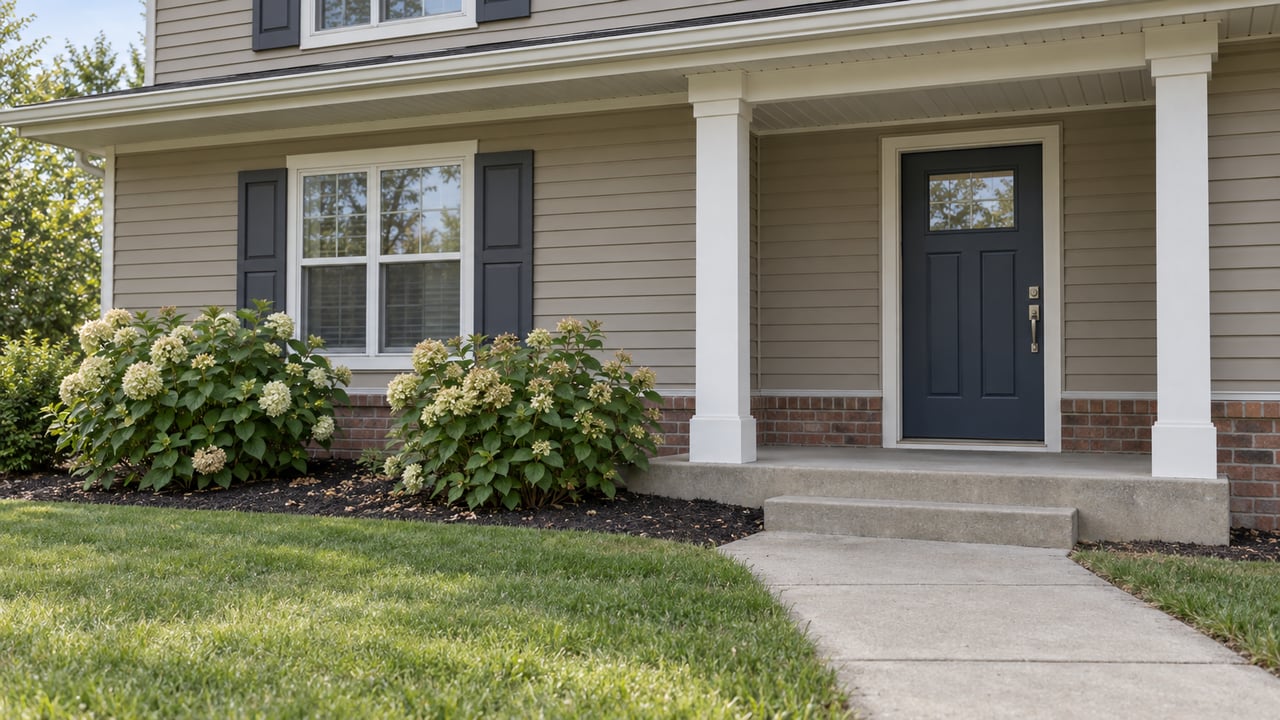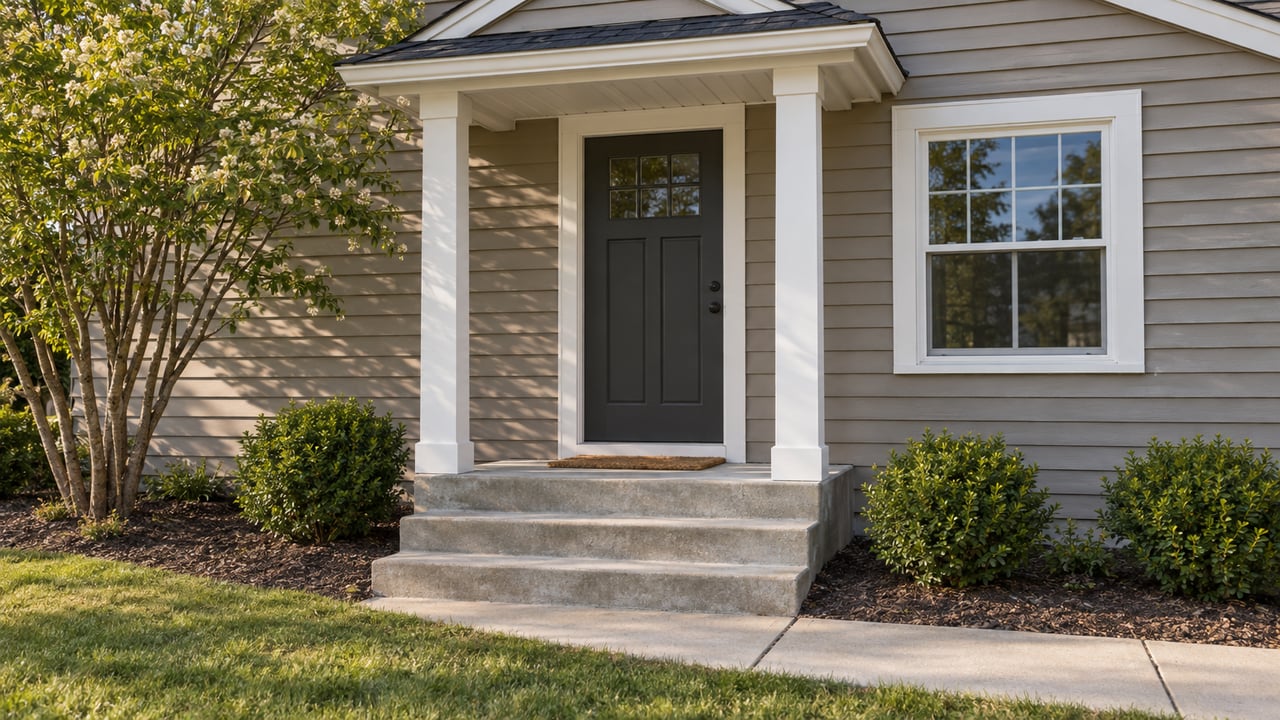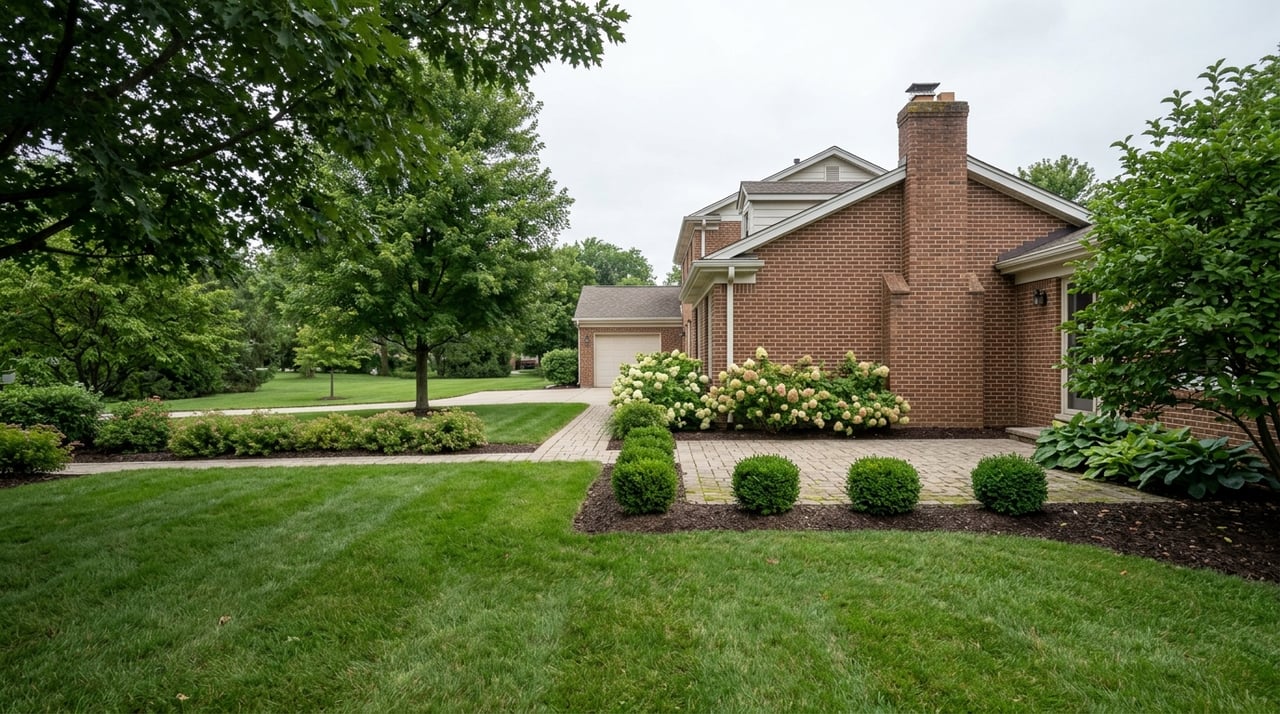
Why would a village that boasts about capping its own property taxes still land on a list of the highest effective tax rates in DuPage County? That's not a rhetorical trick. It's the actual contradiction sitting inside Woodridge's real estate market right now, and it matters if you're the kind of buyer who has already run the numbers on Woodridge versus Naperville and assumed the lower list price tells the whole story.
It doesn't. And the reason why is more interesting than a simple "taxes are high in Illinois" shrug.
The Math That Doesn't Balance
Every portal search puts Woodridge in the same conversation: a village that offers meaningfully more house for the money than Naperville next door, with quarter-acre lots, older tree cover, and a price gap that shows up the moment you filter a search by city. Buyers see that gap and do the obvious thing. They assume it carries through to the monthly payment, taxes included.
Here's the part that trips people up. The Village of Woodridge is a Home Rule municipality, which under Illinois law means it isn't bound by the tax caps that limit how much smaller, non-Home Rule towns can raise property taxes year over year. Woodridge could raise its own levy more aggressively than most of its neighbors. Instead, the Village Board has self-imposed those caps anyway, voting for no increase to the property tax levy in four of the past five years, according to the village's own property tax information page.
So the local government is doing exactly what a cost-conscious buyer would want. And Woodridge still shows up on regional lists of the highest effective property tax rates around. That's the puzzle worth understanding before you write an offer.
What Actually Shows Up on the Bill
The answer is that the village's own slice of your tax bill is small. Based on a breakdown of Woodridge's overlapping taxing districts for tax year 2024, the municipal share came out to roughly seven cents of every property tax dollar collected, a tiny fraction of the total effective rate of about 2.46% of market value on the DuPage County side of town. The rest goes to school districts, park districts, the library, and fire protection, none of which report to the Village Board.
Woodridge School District 68, the district most Woodridge homeowners actually pay into, operates under Illinois's Property Tax Extension Limitation Law, the state's version of a tax cap. That law limits how much additional revenue the district can collect year over year to whichever is lower: 5% or the change in the Consumer Price Index. The district explains it plainly on its own tax levy page: a rising assessed value on your specific home doesn't mean the district collects more money overall. It means your share of a fixed pool shifts. If your home's assessed value climbs faster than your neighbors', you can end up paying more even while the district's total take stays flat.
That's a real distinction for a buyer to understand. Capped districts aren't the same thing as a capped bill. The village can hold its own line flat for years and your total tax bill can still climb, because the school, park, and fire levies are doing their own math on a separate track.
One Village, Three Counties, Two Different Tax Stories
Here's where it gets more specific to Woodridge than most suburbs. The village sits primarily in DuPage County, with real portions crossing into Will County and a small sliver in Cook County. That's not a footnote. It changes the actual numbers a buyer will pay.
On the DuPage County side, tax year 2024 figures put the effective property tax rate at roughly 2.46% of market value, translating to an annual bill near $8,940 on a home valued around $363,700.
On the Will County side, current county tax data for the same zip code (60517) shows a different picture: a median effective property tax rate around 3.16%, with a median annual bill closer to $8,086.
Sit with that for a second. Two homes can carry the same zip code, the same "Woodridge" name on the listing, and different effective tax rates because they answer to different overlapping county and district structures. A buyer comparing "Woodridge" to "Naperville" as if each were a single, uniform tax environment is comparing something that doesn't actually exist as a single thing.
Why a DuPage Policy Journal Analysis Called This Out
This isn't a one-off data quirk. A DuPage County analysis of first-quarter sales and county tax data, published in 2024, specifically named Woodridge alongside West Chicago and Glendale Heights as carrying some of the county's highest effective property tax rates. That finding sits directly at odds with Woodridge's reputation as the value-priced alternative to Naperville, and it's exactly the kind of detail that gets lost when a buyer's research stops at a median list price.
The village government's own capped levy and the district's own state-mandated cap are both true. So is the county-wide finding that Woodridge runs hot on effective rate. Both things can be accurate at once because they're describing different layers of the same bill.
What This Means Next to Naperville, Specifically
Here's the comparison that actually matters for a buyer weighing the two towns. Based on current Will County tax data, Naperville carries the county's highest median property tax bill at $12,734. The Will County portion of Woodridge, by contrast, has a median annual bill around $8,086. That's a real gap, roughly a third lower, and it tracks reasonably well with the price difference buyers already expect between the two markets.
But that comparison only holds on the Will County side. On the DuPage County side, where Woodridge's effective rate has been flagged as county-high, the tax discount a buyer expects to see next to Naperville's DuPage-side homes isn't guaranteed. The rate itself works against some of the price advantage, even though the sticker price is still lower.
The takeaway isn't that Woodridge is a bad tax environment. It's that "Woodridge" isn't one tax environment. Which side of an invisible county or district line a specific parcel sits on will tell you more about your actual annual cost than the city name on the listing.
The Practical Fix
If you're comparing homes in Woodridge, pull the parcel-specific tax bill and district breakdown before you write an offer, not after you're already under contract. Ask which school district, park district, library district, and fire protection district apply to that exact address. Two homes on the same street can have different combinations depending on annexation history, and the listing agent's flyer won't spell that out for you.
According to Ownwell, assessment notices go out each spring, and there's a limited window every year to appeal if the assessed value looks out of step with what similarly situated neighbors are paying. If you're buying an older home that hasn't been reassessed recently, or one that just underwent a major renovation, that's worth checking before closing, not after your first bill arrives.
A Few Questions Worth Asking Before You Search Further
Does a lower price in Woodridge always mean a lower total housing cost than Naperville? Not automatically. On the Will County side, the price and tax gaps track together reasonably well. On the DuPage County side, Woodridge's effective rate has been identified as one of the county's higher ones, which narrows the total cost advantage even when the sale price stays lower.
Why does Woodridge have a reputation for high property taxes if the village caps its own levy? Because the village's own levy is a small piece of the total bill, roughly seven cents on the dollar. The larger pieces, school, park, library, and fire levies, are set by separate taxing bodies that don't answer to the Village Board, and those combined can push the overall effective rate higher even while the municipal share stays flat.
How do I find out which taxing districts apply to a specific Woodridge address before I make an offer? The most reliable way is to pull the parcel's tax history directly, which shows the exact overlapping districts and rate breakdown for that specific PIN, rather than relying on a city-wide average. A buyer's agent who works this market regularly can pull that history alongside the listing so you're comparing real numbers, not zip code assumptions.
If you're weighing Woodridge against Naperville, Downers Grove, or another western suburb and want the real cost picture, not just the median price, Stephanie Staneart can walk through the parcel-specific numbers with you before you write an offer. Schedule your free consultation and get the full picture before the price tag makes the decision for you.
This article is general information, not legal, tax or financial advice. Consult a qualified professional about your situation.