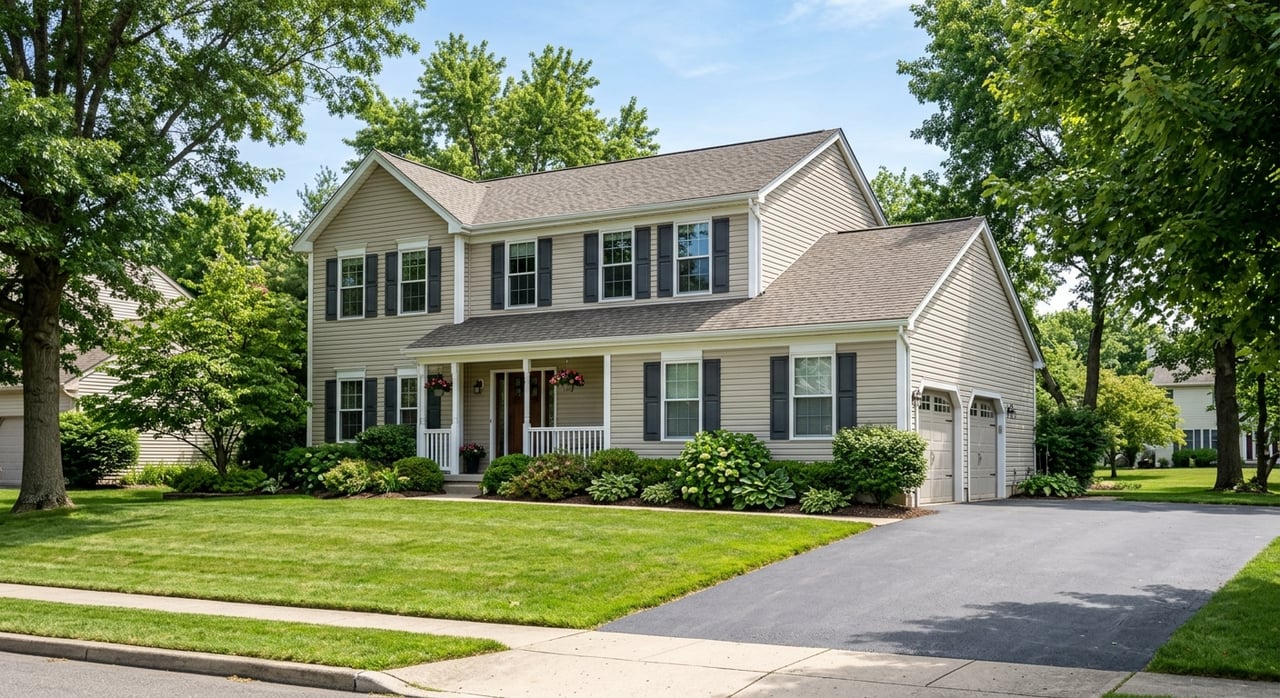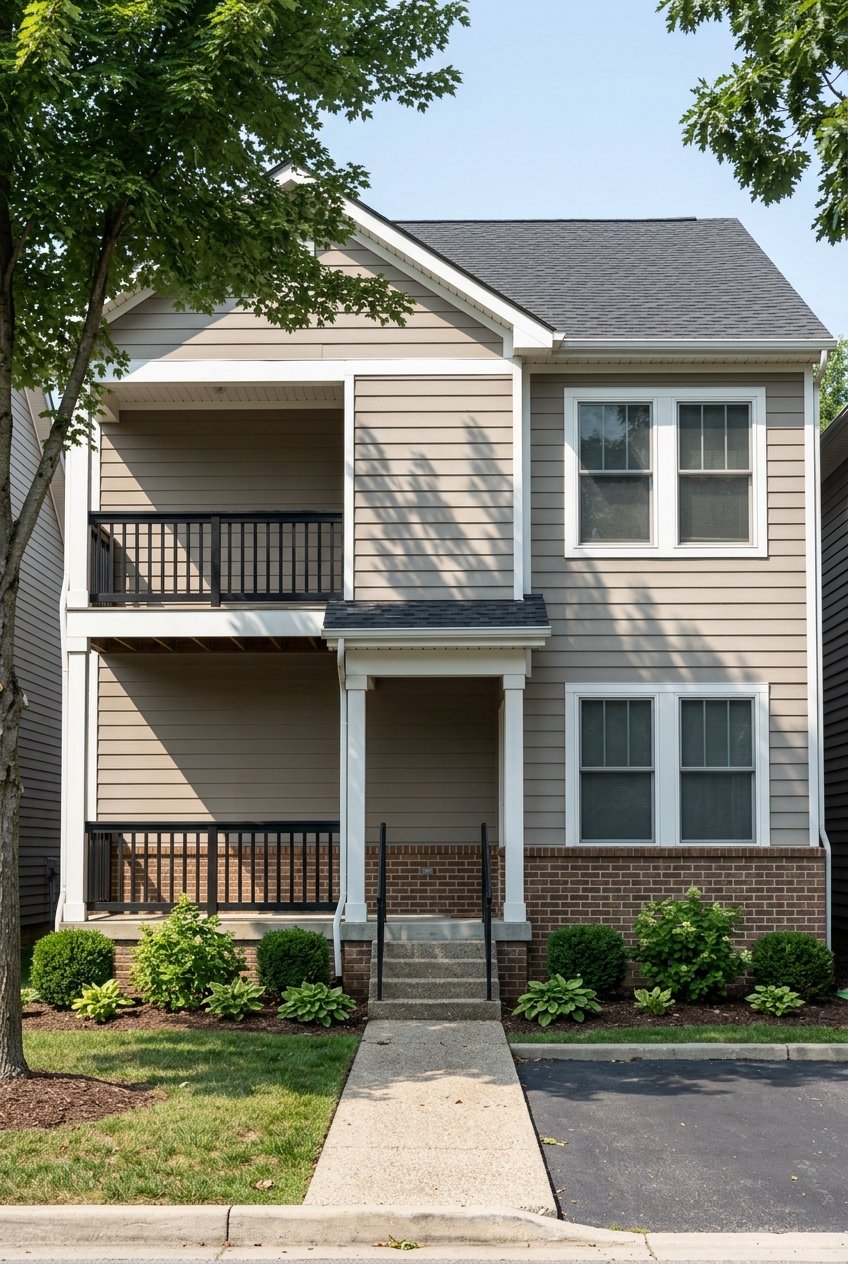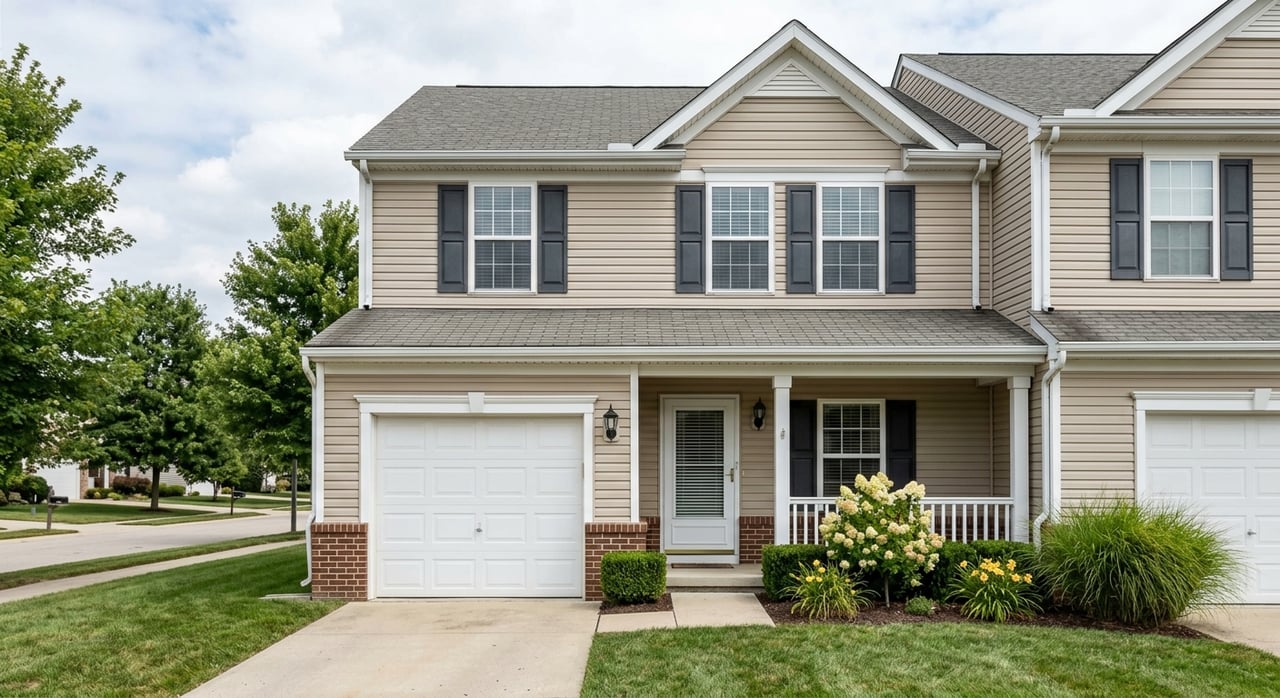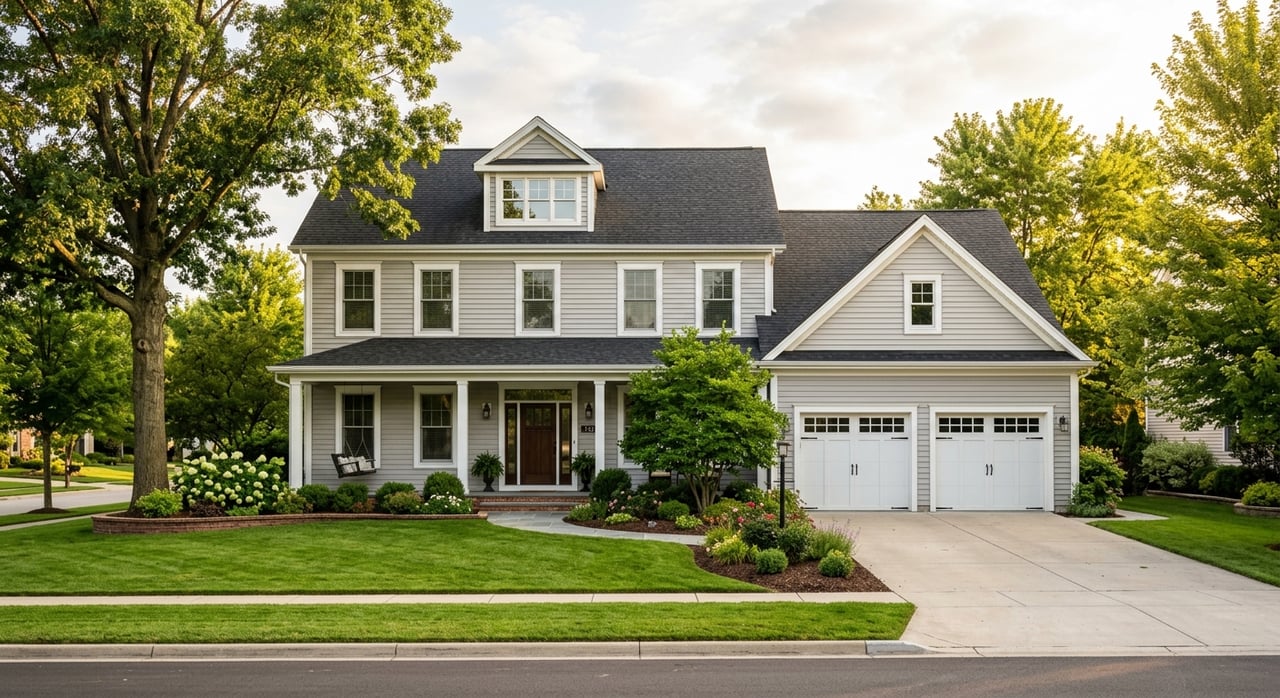
Buying in Aurora is rarely as simple as picking new construction or resale on a search filter. This city covers a wide area, stretches across multiple counties and school districts, and offers everything from phased new communities to older homes with long-standing architectural character. If you are trying to decide which path fits your goals, budget, and timeline, this guide will help you compare the tradeoffs with more confidence. Let’s dive in.
Aurora housing choices vary by area
Aurora is a large and varied market, not one single housing experience. City information shows Aurora spans four counties and six school districts, which means what you get can change quickly depending on the address.
That matters whether you are looking at a brand-new home on the edge of active growth or an older property in a more established part of town. Commute patterns, neighborhood maturity, and even project timelines can feel very different from one side of Aurora to another.
City materials also note that the far east side is projected to house 60,000 people within 20 years. At the same time, recent residential projects on the south and west sides show that new construction is still very active in Aurora.
Why some buyers prefer new construction
For many buyers, the biggest appeal of new construction is simple: new systems, new finishes, and warranty coverage. If you want a home that feels move-in ready from day one, a new build can be an attractive option.
Aurora has several active residential projects, including Lincoln Crossing, Del Webb, Eola Preserve Townhomes, Wheatland Crossing, Redwood Rental Homes, and Prairie Meadows. Some are under construction, some are complete, and some are being built in phases, so availability and timing can vary.
Builder warranties can offer peace of mind
One of the main benefits of a newly built home is the builder warranty. According to the FTC, many newly built homes include coverage for workmanship and materials for about one year, systems for about two years, and in some cases structural coverage for as long as 10 years.
That does not mean every builder offers the same terms. It also does not mean a builder warranty is the same thing as a separate home warranty or service contract, which may cost extra.
You may have finish choices before closing
Another draw is the chance to make design selections before closing. Depending on the stage of construction, you may be able to choose finishes, materials, or other options that make the home feel more personal.
Still, the model home is not the contract. What is actually included should be verified in writing through the signed contract and option list, not based only on what you saw in the sales office.
Timelines can be less predictable
In Aurora, new construction is often a phased process. That means a builder may have homes at different stages of completion, and your move-in date may depend on construction progress rather than a fixed seller closing date.
If you need to move by a certain month, this matters. A home listed as available in a new community may still involve a timeline that feels less certain than a resale purchase.
What to watch with new construction
New construction can be appealing, but it comes with details that deserve close attention. A shiny model home can make the process look easy, yet the real decision happens in the paperwork.
Read the builder contract carefully
The signed contract, addenda, warranty language, and code references control the transaction. In Illinois, the contract should identify the applicable residential building code, and the state’s building-code framework took effect on January 1, 2025.
That means buyers should pay attention to what the contract says about construction standards, included features, deadlines, and remedies. If a feature matters to you, it should be in writing.
Ask how deposits work
Builders may ask for an upfront deposit. Before you sign, it is smart to ask when that deposit is refundable and what happens if the timeline changes, financing shifts, or you want to cancel.
This is especially important when a home is not yet complete. Deposit terms can affect your flexibility in a way that feels very different from a standard resale transaction.
Compare the full monthly cost
It is easy to focus on the base price of a new home. A better approach is to compare the total monthly payment and closing costs, not just the sticker price.
You also do not have to use a builder-affiliated lender. Shopping financing options can help you understand the real cost of the purchase and avoid making decisions based only on a promotional rate or upgrade incentive.
Why some buyers prefer resale homes
Resale homes often win on location, character, and established surroundings. If you like the idea of a neighborhood with an existing track record, mature streetscapes, or older architecture, resale may feel like the better fit.
Aurora’s established housing stock includes a wide range of home styles. In the Palace Street Historic District, city materials highlight Victorian, Bungalow, Four Square, Prairie, and Sears homes from the late 1800s and early 1900s.
Established neighborhoods offer a different feel
A resale home can give you a stronger sense of what already exists around you. Streets, nearby homes, and the overall setting are already in place, which can make it easier to picture daily life before you buy.
That predictability appeals to many buyers. Instead of waiting for a community to develop over time, you can evaluate the home and its surroundings as they are today.
Older homes may offer more architectural variety
If you value character, resale homes often provide more visual and architectural variety than production new construction. Aurora’s older areas show that clearly, especially in places where homes reflect historic building styles.
That said, character often comes with condition questions. A home with charm may also need more updates, maintenance, or repair planning than a newly built property.
What to watch with resale homes
With resale, your due diligence is usually more condition-driven. Instead of leaning on builder warranty coverage, you are relying more on inspections, disclosures, and repair negotiations.
Inspections matter even more
A home inspection is designed to evaluate the physical condition of the property and identify items that may need repair or replacement. An appraisal is not a substitute for an inspection.
For many Aurora resale buyers, this is one of the most important parts of the process. It gives you a clearer picture of the home’s systems, structure, and maintenance needs before you move forward.
Contingencies can protect you
When buying resale, it is wise to understand the role of inspection and financing contingencies. These can give you time to evaluate the property and confirm your loan terms before you are fully committed.
That is especially helpful when you are weighing a home with older systems or features. The more complete your due diligence, the better your decision.
Illinois and Aurora disclosures matter
In Illinois, sellers must provide the radon pamphlet and radon disclosure before a buyer is obligated under a contract. Aurora also requires an additional disclosure for homes in historic districts or historic landmark areas at the time the real estate sale contract is executed.
These details are one more reason local guidance matters. A resale home in one part of Aurora may involve a different checklist than a newer home on another side of the city.
New construction versus resale in Aurora
If you are deciding between the two, it often helps to compare the tradeoffs side by side.
| Factor | New Construction | Resale Home |
|---|---|---|
| Condition | New materials and systems | Varies by age and upkeep |
| Warranty | Often includes builder warranty coverage | Usually more inspection-driven |
| Style | Often more standardized by builder | Often more architectural variety |
| Timeline | May depend on build phase and completion | Usually tied to seller closing timeline |
| Customization | Often available before closing | Changes usually happen after purchase |
| Setting | Community may still be developing | Neighborhood is already established |
Neither choice is automatically better. The right fit depends on what matters most to you.
Questions to ask before choosing
If you are touring both new and resale homes in Aurora, keep these questions in mind:
- Do you want a firm move-in timeline, or can you handle some flexibility?
- Are newer systems and warranty coverage more important than neighborhood character?
- Do you prefer choosing finishes now, or renovating over time later?
- Are you comfortable with repair negotiation and inspection findings?
- Does the exact address affect your commute, school assignment, or day-to-day routine?
In Aurora, those last location details matter more than many buyers expect. Because the city spans multiple counties and school districts, one address can offer a very different experience from another.
Why local guidance makes a difference
Aurora is not a market where broad advice always works. A new townhome in one developing area and a historic resale in another can involve very different timelines, paperwork, expectations, and pricing strategies.
Recent market snapshots also suggest Aurora remains active. Redfin reports a median sale price around $345,000 and about 4 offers per home, while Zillow’s home value index places the typical Aurora home around $327,285, with homes pending in about 8 days.
In a market that moves quickly, having a local advocate can help you compare options more clearly, ask better questions, and stay focused on what fits your life instead of getting swept up in the moment.
The best choice depends on your priorities
For some buyers, the best answer is a newer home with modern finishes and builder warranty coverage. For others, it is a resale home in an established part of Aurora where the setting, architecture, and location feel more aligned with their goals.
The key is not choosing the category that sounds best on paper. It is choosing the home that matches your timeline, comfort level, budget, and day-to-day needs.
If you want help weighing new construction against resale in Aurora or nearby suburbs, Stephanie Staneart can help you compare your options and move forward with clarity.
FAQs
What is the main difference between new construction and resale homes in Aurora?
- New construction often offers newer systems, builder warranty coverage, and pre-closing finish selections, while resale homes often offer established surroundings, older architecture, and a process that depends more on inspections and disclosures.
Are new construction homes common in Aurora, Illinois?
- Yes. City project materials show active residential communities in Aurora, including projects that are completed, under construction, or being built in phases.
Do builder model homes show exactly what you will get in Aurora new construction?
- No. The contract, addenda, option list, warranty language, and applicable code language control what is included, not the model home alone.
What should you check before buying a resale home in Aurora?
- You should pay close attention to the home inspection, financing contingency terms, and required disclosures, including Illinois radon disclosure requirements and any Aurora historic district disclosure that may apply.
Is Aurora one consistent housing market for buyers comparing homes?
- Not really. Aurora spans four counties and six school districts, so housing choices, neighborhood setting, and address-specific factors can vary a lot across the city.
Is it better to buy new construction or resale in Aurora’s current market?
- The better choice depends on your priorities. If you value newer materials and warranty coverage, new construction may fit better. If you value established locations and architectural character, resale may be the stronger match.