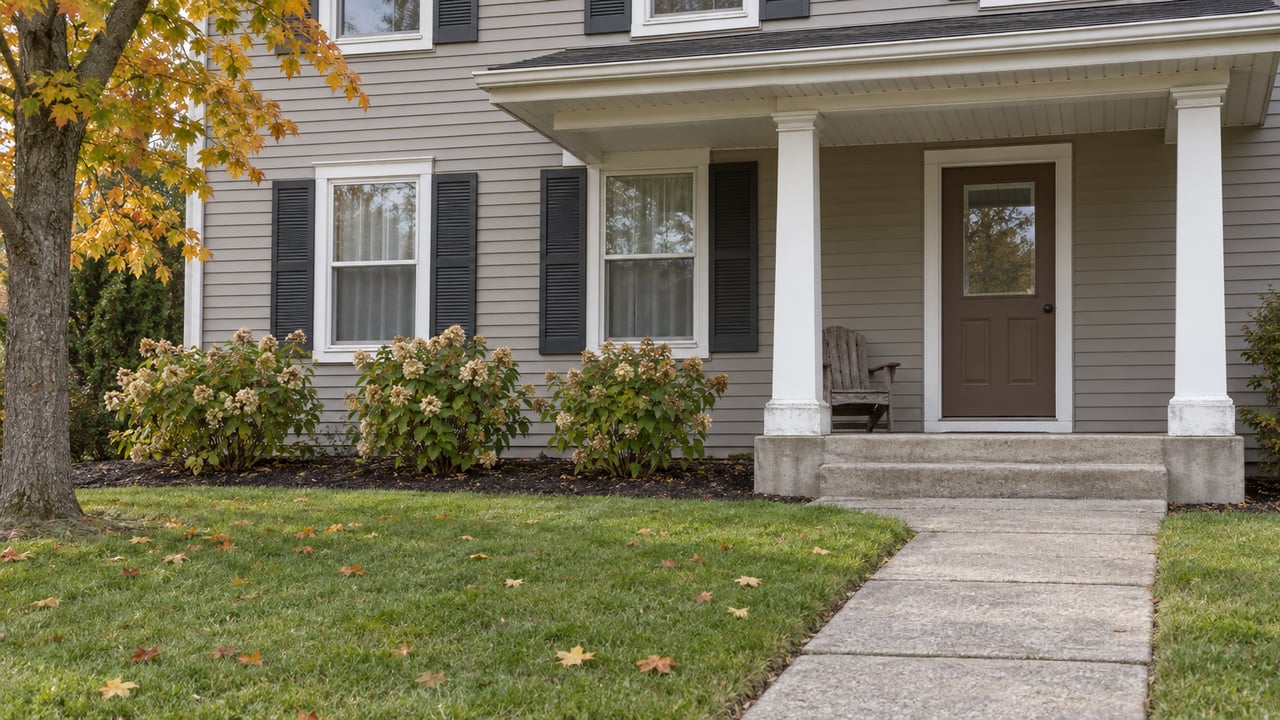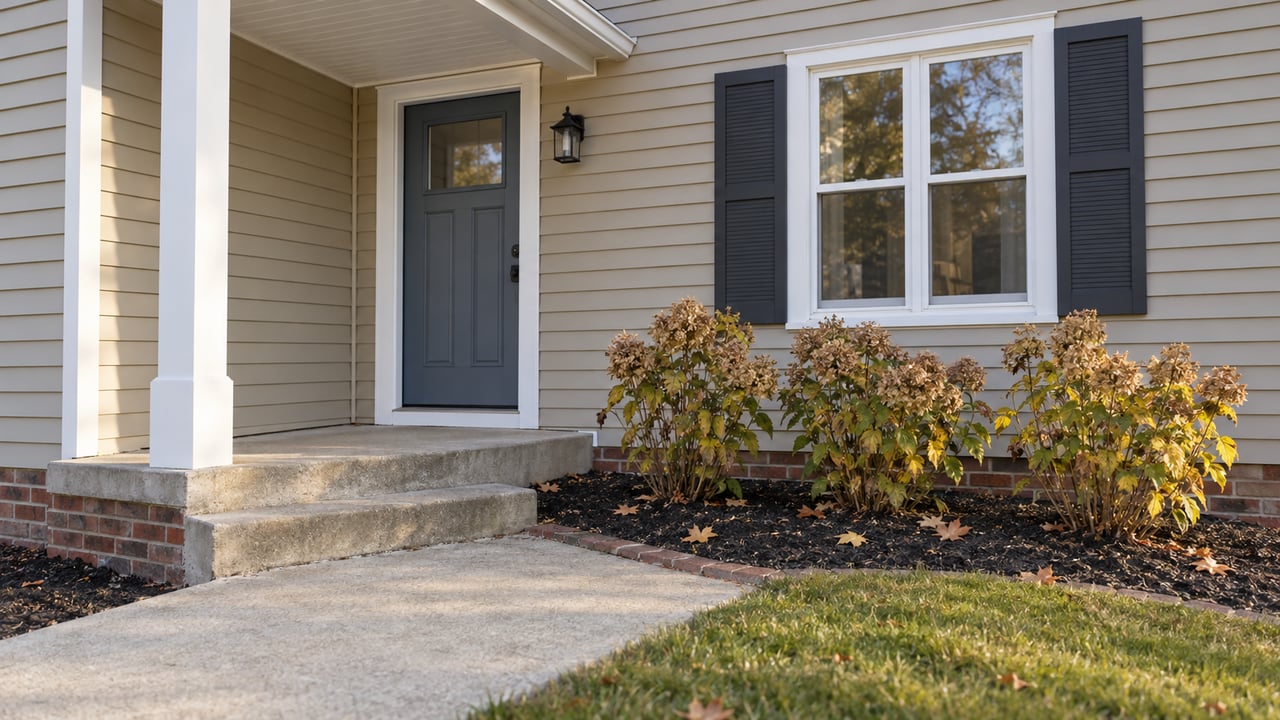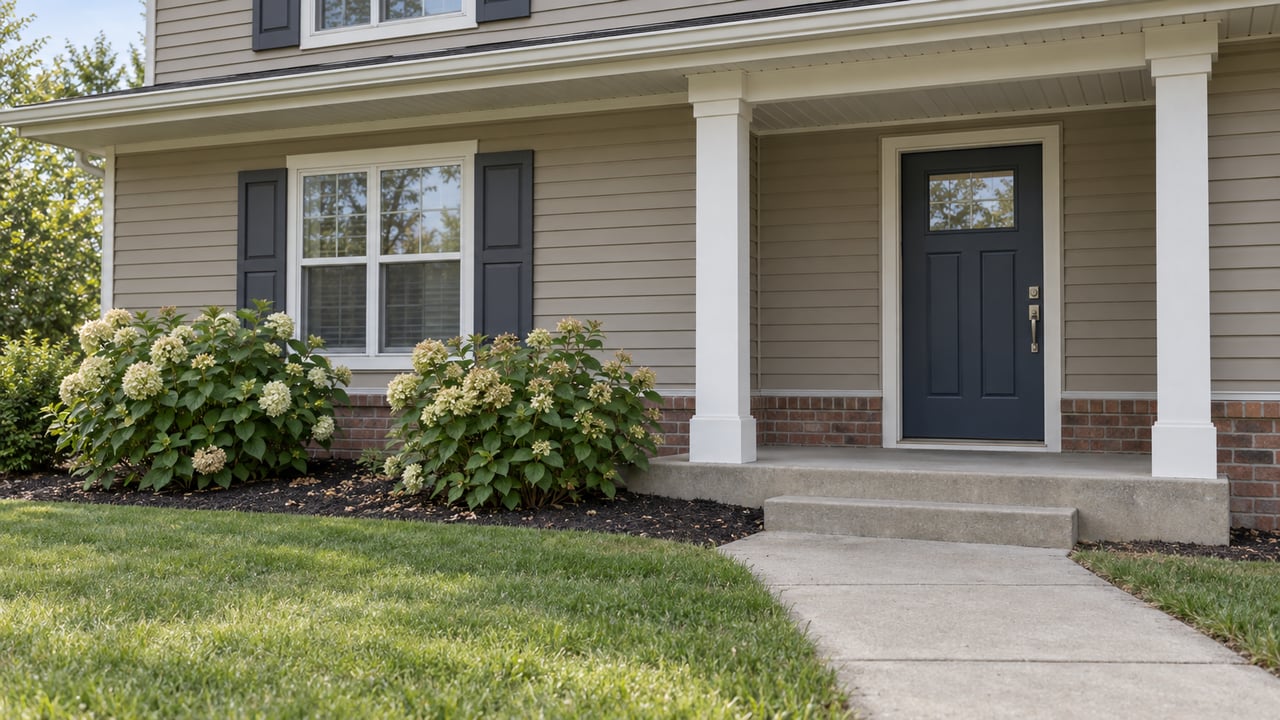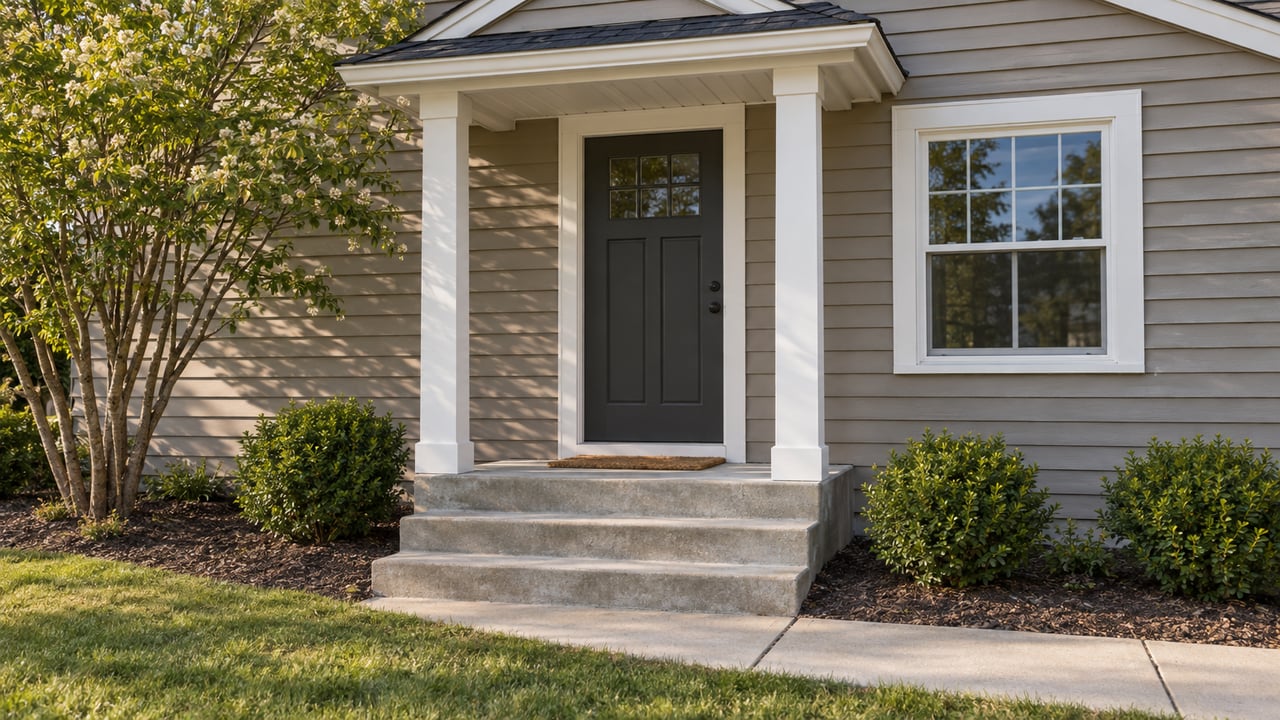
If your workweek includes a Chicago commute, where you live in Wheaton can shape your whole routine. The right area can make train access easier, cut down on driving stress, or give you more space without losing connection to the city. In this guide, you’ll get a practical look at the Wheaton areas that fit different commuter styles so you can narrow your search with more confidence. Let’s dive in.
Why Wheaton Works for Chicago Commuters
Wheaton sits about 26 miles west of Chicago and gives you more than one way to handle the trip. The city is served by Metra’s Union Pacific West line, with two in-town stops at Downtown Wheaton and College Avenue.
That matters because your best-fit area depends on how you actually commute. Some buyers want to walk to the train, some want easy parking near the station, and others care more about quick access to major roads like Roosevelt Road, Naperville Road, Geneva Road, Main Street, or Butterfield Road.
Wheaton also supports a more flexible daily routine than many buyers expect. The city publishes bike routes from all four quadrants into downtown, which means a bike-to-station setup can be realistic in many parts of town.
Best Wheaton Areas by Commute Style
Downtown Wheaton for Train-First Living
If your top priority is rail access and walkability, Downtown Wheaton is the clearest choice. The city’s downtown planning area is generally bounded by Seminary Avenue, Washington Street and Naperville Road, and Roosevelt Road, and recent streetscape work widened sidewalks and improved the pedestrian environment.
For many Chicago commuters, this is the easiest place to build a train-centered routine. You are closest to the Downtown Wheaton station, and the city also provides commuter parking there with daily-fee and leased options.
Housing near the core spans a fairly broad range. Recent 60187 sales near downtown show options from roughly the $500,000 range into multimillion-dollar renovated homes, while the 60187 median sale price was $451,000 in March 2026.
In practical terms, downtown can work well if you want older detached homes, updated properties, and some attached or condo-style options in the broader area. If you like the idea of being able to get to the station, downtown streets, and daily conveniences with less driving, this is the strongest match.
Best fit for downtown buyers
- Train-first commuters
- Buyers who value walkability
- People who want a more central, connected feel
- Buyers open to a mix of home styles and price points
College Avenue and North Wheaton for Classic Neighborhood Access
If you want train convenience with a more established residential setting, look closely at College Avenue and North Wheaton. The College Avenue station at 303 N. President Street has commuter parking, including a 418-space station area, plus leased options that may have waitlists.
This part of Wheaton often appeals to buyers who want station access without being in the middle of the downtown core. It offers a more traditional neighborhood layout while still keeping the commute practical.
The nearby Northside Residential Overlay District is bounded by Prairie Avenue, Wesley Street, Irving Avenue, and Ellis Avenue. The city notes that it is not a historic district, but the overlay is intended to preserve the area’s historic character.
Housing stock here is known for older architectural forms like bungalows, ranches, Colonial Revival, Tudor Revival, and American Four Square homes. Design guidelines also point to deeper setbacks, porches, and many detached garages, which adds to the established street feel many buyers are looking for.
Recent market data put North Wheaton at $555,000. That makes it a useful area to consider if you want a central Wheaton location, station access, and a classic neighborhood setting.
What stands out in North Wheaton
- Convenient access to the College Avenue station
- Older housing styles with established character
- A more residential feel than downtown
- Access to parks and open space nearby
The park network is part of the appeal too. The Wheaton Park District identifies Northside Park as a key asset, and Lincoln Marsh is a 150-acre natural area. Across Wheaton, the park district includes 52 park sites and more than 800 acres of parks, pools, and open space.
Northeast Wheaton for More Space
Not every Chicago commuter wants to live closest to the train. If you are willing to trade some transit convenience for more land and a quieter residential feel, Northeast Wheaton deserves attention.
The city’s Northeast Neighborhood Plan describes lot sizes in this area as ranging roughly from 10,000 to 30,000 square feet. It also notes some attached single-family and townhome opportunities near President Street and Geneva Road, but much of the area is associated with detached homes and a large-lot pattern.
For buyers comparing tradeoffs, this is often the space-first option. You may not get the same walk-to-train ease as downtown, but you can gain lot size, breathing room, and a calmer residential setting.
Pricing can vary a lot here. Recent market snapshots showed Northeast Wheaton at $750,000, while the Wheaton College neighborhood was at $463,000, which highlights how much central and northeastern Wheaton can vary by block, lot size, and renovation level.
Northeast Wheaton may suit you if you want
- More land and a larger-lot setting
- A quieter residential environment
- Detached home options with more separation
- Flexibility to bike, drive, or mix commute modes
Southwest Wheaton and Danada for Road Commuters
If your Chicago commute depends more on driving than rail, Southwest Wheaton, Danada, and the Roosevelt corridor should be on your list. The Roosevelt Road Corridor Plan covers nearly two miles from Carlton Avenue to the Wheaton and Glen Ellyn border, and it is part of the city’s official planning and zoning framework.
This area connects well to some of Wheaton’s major arterial roads, which makes it the most road-oriented commuter base in town. If you regularly drive to work, drive to another station, or need easier car access for a broader suburban routine, this part of Wheaton may feel more convenient day to day.
It also offers one of the broadest housing mixes. Recent market data showed 60189 at $420,000 and Danada at $614,000, with 60189 sales ranging from condo and townhome closings in the mid-$200,000s to detached homes above $1 million.
That wide range can be helpful if you want options. Whether you are looking for a lower-maintenance property, a move-up single-family home, or a neighborhood that gives you strong road access, southwest and south Wheaton offer flexibility.
This area is a strong fit for
- Drive-first commuters
- Buyers who want a wide range of housing types
- Condo, townhome, and single-family buyers
- House hunters focused on value spread and road access
How to Match Area to Budget
Wheaton’s citywide median sale price was $423,000 as of March 2026. Within the city, though, different commuter-friendly areas fall into different pricing bands.
Here is a simple snapshot to help frame your search:
| Area | Recent directional price point |
|---|---|
| Wheaton citywide | $423,000 |
| 60187 | $451,000 |
| 60189 | $420,000 |
| North Wheaton | $555,000 |
| Danada | $614,000 |
| Northeast Wheaton | $750,000 |
These numbers are best used as directional guides, not fixed targets. In Wheaton, price can shift quickly based on lot size, updates, property type, and how close you are to the station or major roads.
Other Livability Factors to Consider
Your commute matters, but it is not the only piece of the decision. If you are moving to Wheaton, it also helps to think about parks, sidewalks, bike access, and day-to-day movement around town.
Wheaton’s residential neighborhoods generally have a 25 mph speed limit, while downtown is posted at 20 mph. The city also maintains a sidewalk replacement program and encourages clear sidewalks for pedestrians, which supports a more walkable environment.
For buyers looking at school assignment, Wheaton is primarily served by Community Unit School District 200. The district includes 23 facilities, with 13 elementary schools, 4 middle schools, 2 high schools, and a transition program, but attendance depends on the property address.
That means two homes in the same general area may not always feed to the same schools. If school boundaries are important in your search, it is smart to verify the exact assignment for any property before you write an offer.
A Simple Way to Narrow Your Search
If you are still deciding where to focus, start with your non-negotiable. For some buyers, that is walking to the train. For others, it is having more space, easier parking, or better road access.
A simple way to think about Wheaton is this:
- Downtown Wheaton if you want train-first, walkability-first living
- College Avenue and North Wheaton if you want station access with a classic residential feel
- Northeast Wheaton if you want more land and a quieter setting
- Southwest Wheaton and Danada if your commute is more road-first and you want a wider range of housing options
The best area is not just the one with the shortest route. It is the one that fits your full week, including how you get to work, how much space you want at home, and how you want daily life to feel once you are back in Wheaton.
If you want help comparing commute styles, price bands, and neighborhood feel in Wheaton or nearby western suburbs, Stephanie Staneart can help you build a search around your real routine, not just a map radius.
FAQs
Which Wheaton area is best for Metra commuters to Chicago?
- Downtown Wheaton is generally the best fit if you want the most rail-oriented and walkable setup, while College Avenue and North Wheaton are strong options if you want station access in a more residential setting.
Is there commuter parking at Wheaton train stations?
- Yes. The city provides commuter parking at both Downtown Wheaton and College Avenue, including daily-fee and leased options downtown and 418 spaces at College Avenue.
Is Northeast Wheaton a good choice for Chicago commuters?
- It can be, especially if you want more lot space and a quieter residential feel and are comfortable trading some train convenience for that extra room.
What part of Wheaton is best for drivers commuting toward Chicago?
- Southwest Wheaton, Danada, and the Roosevelt corridor are generally the best match for drive-first commuters because they connect well to major arterial roads.
How much do commuter-friendly homes in Wheaton cost?
- As of March 2026, Wheaton’s citywide median sale price was $423,000, with recent directional snapshots at $451,000 in 60187, $420,000 in 60189, $555,000 in North Wheaton, $614,000 in Danada, and $750,000 in Northeast Wheaton.
How do I verify schools and station details for a Wheaton home?
- School attendance and some commuter parking details can vary by address, so it is important to confirm both before making an offer.